



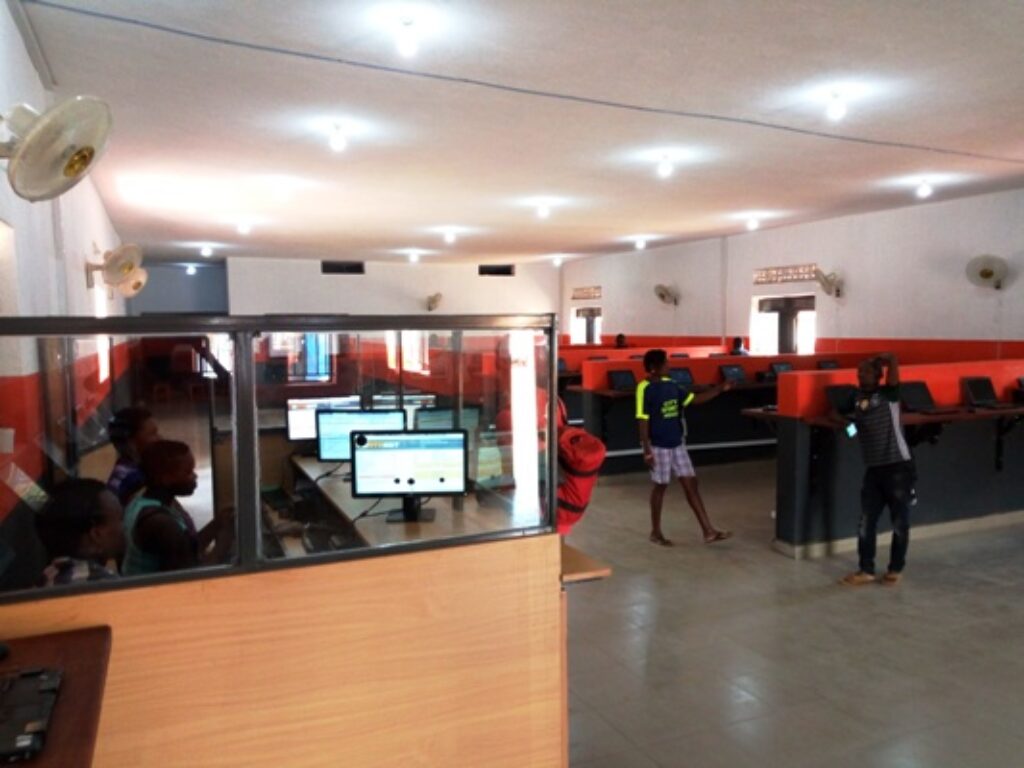
The hum of activity inside a typical retail betting shop in Uganda is unmistakable. As you step through the doors, you’re immediately immersed in a world of odds, predictions, and the constant buzz of football matches playing on TV screens. These shops have become a staple in Ugandan urban and peri-urban areas, drawing in a diverse crowd of punters eager to place their bets. Despite the rise of online gambling, land-based betting shops continue to thrive, offering a unique blend of social interaction, excitement, and the thrill of potentially winning big. In this article, we’ll take a closer look at what goes on inside a typical retail betting shop in Uganda, exploring the environment, the people, and the cultural significance of these establishments.
The Layout of a Retail Betting Shop
As you enter a retail betting shop in Uganda, the first thing you’ll likely notice is the security guard, known locally as an askari, stationed at the entrance. Their presence is a reminder of the cash-handling nature of the business and the need to ensure safety for both customers and staff. The askari stands beside a compact metal detector, sometimes used, sometimes merely symbolic. Once inside, the space is usually modestly decorated, with the walls often covered in branding materials from the betting company operating the shop. These brands, such as Fortebet, one of the most well-known betting companies in Uganda, use the walls to advertise their services, display promotions, and feature images of famous football stars like Kevin De Bruyne, Saka, and Bruno Fernandes.
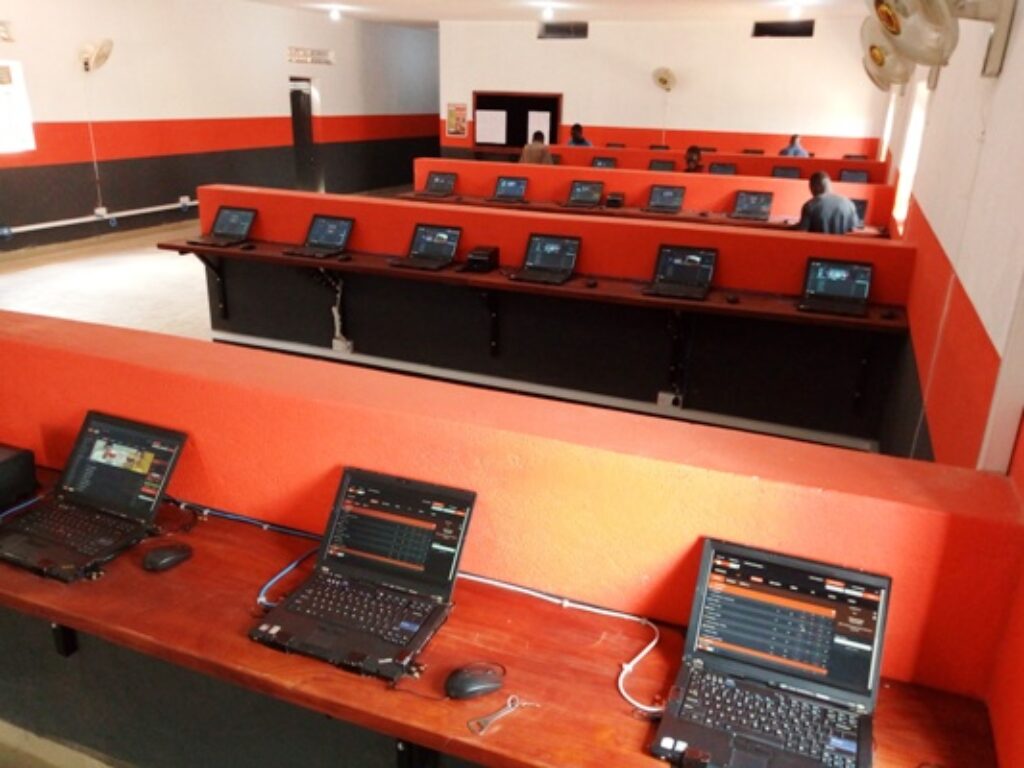
The layout of the shop is functional and designed to accommodate the primary purpose: placing bets. Lining the walls or placed in the center of the room are rows of laptops, each connected to the betting company’s platform. These machines allow customers to browse the available betting options, check football statistics, and place their bets. For those who prefer a more traditional approach, some shops provide paper betting slips, which can be filled out manually and handed to the cashier.
Behind a glass-enclosed counter, you’ll find the cashiers who handle the financial transactions. This is where bets are placed, winnings are collected, and betting tickets are printed out using small receipt printers. The betting ticket is a crucial piece of paper for any punter, as it serves as proof of their bet and determines whether they’ll walk away with a payout. The counter is often the busiest part of the shop, with a constant flow of customers coming to place their bets or collect their winnings.
Adjacent to this counter, a large whiteboard lists upcoming fixtures. Punters lean in, with a pen and paper, debating whether to circle the heavy favorites or take a flyer on a long-shot upset.
The Atmosphere of a Betting Shop
The atmosphere inside a retail betting shop is lively and often filled with the sound of conversation, laughter, and the occasional shout of excitement or disappointment. The majority of the clientele are men, making up about 90% of the customers, though women are becoming increasingly visible in these spaces. The age range is predominantly young adults, between 20 and 35 years old, reflecting the demographic most engaged with sports betting.
On any given day, you’ll find punters huddled around the laptops, meticulously analyzing the odds for upcoming football matches. Others gather around the TV screens, which are usually tuned to live sports events or virtual sports simulations. These screens display everything from actual football matches and horse races to virtual dog races, providing a constant source of entertainment and information for the customers. The TVs are also used to show the odds for various events, giving punters real-time data to inform their betting decisions.
One of the most striking aspects of the atmosphere in a betting shop is the sense of camaraderie among the customers. Punters often engage in lively discussions about their favorite teams, share tips on which matches to bet on, and recount stories of their past wins and losses
The Role of Slot Machines and Other Gaming Options
In addition to the sports betting options, most retail betting shops in Uganda also feature a few slot machines. These machines are usually placed in a corner of the shop or along one of the walls, offering customers an alternative way to gamble. While they are not as popular as sports betting, they do provide an additional source of revenue for the shop and give customers another way to test their luck.
The Customer Demographics
The clientele of a typical retail betting shop in Uganda is diverse, but there are some common characteristics that define the majority of customers. Low-income earners, such as boda boda riders, market vendors, and shopkeepers, make up a significant portion of the customer base. These individuals are often drawn to betting as a way to supplement their income, hoping to win big and improve their financial situation.
The shops are also frequented by individuals who work in boutiques, small-scale traders, and others who have disposable income but are looking for ways to make a quick profit. These customers often have a higher level of disposable income and are more likely to place larger bets, contributing significantly to the shop’s revenue.
The Operational Hours and Busyness
The operational hours of a retail betting shop in Uganda are designed to accommodate the schedules of the majority of their customers. Most shops open at around 10 am and close at 10 pm, with some operating 24 hours a day. This extended operating schedule allows customers to place bets at their convenience, whether they’re stopping by on their way to work, during their lunch break, or late at night after finishing their day.
The busyness of the shop varies depending on the day of the week. Weekdays are typically slower, with fewer customers visiting the shop. This is partly due to the fact that most people are at work or otherwise occupied during the week. However, as the weekend approaches, the shops become busier, with Friday, Saturday, and Sunday being the peak days. This is when most football matches take place, and the excitement of the weekend’s sporting events draws in large crowds of punters.
The cashiers are often overwhelmed with customers lining up to place their bets or collect their winnings, and the shop takes on a vibrant, almost festive atmosphere.
The Cultural Significance of Retail Betting Shops
Retail betting shops in Uganda have become more than just places to gamble; they have become social hubs where people gather to share in the excitement of sports. For many Ugandans, particularly young men, these shops provide a sense of community and belonging. They are places where people can come together to discuss their favorite teams, share tips on betting strategies, and support one another in their pursuit of financial gain.
The Impact of Retail Betting Shops on Society
The proliferation of retail betting shops in Uganda has had a significant impact on society, both positive and negative. On the positive side, these shops have provided employment opportunities for thousands of Ugandans, from the security guards and cashiers to the shop managers and IT support staff. They have also contributed to the economy by generating revenue through taxes and creating a demand for related goods and services.
On the negative side, the rise of retail betting shops has been linked to an increase in problem gambling. For some individuals, what starts as a fun and exciting activity can quickly turn into an addiction, leading to financial difficulties, family problems, and other social issues. The shops are often criticized for targeting low-income individuals who may not have the financial means to sustain their betting habits, leading to a cycle of debt and poverty.
In response to these concerns, the Ugandan government has introduced regulations to control the spread of betting shops and protect vulnerable populations. These regulations include restrictions on the location of shops, and requirements for betting companies to promote responsible gambling practices. While these measures have helped to mitigate some of the negative impacts, the challenge of addressing problem gambling remains an ongoing issue.
Conclusion
Inside a typical retail betting shop in Uganda, you’ll find a vibrant and dynamic environment filled with the excitement of sports betting and the camaraderie of shared experiences. These shops have become an integral part of Ugandan culture, offering a space where people can gather to socialize, analyze odds, and try their luck. While they provide many benefits, including employment opportunities and entertainment, they also present challenges related to problem gambling and financial instability.
As the popularity of sports betting continues to grow in Uganda, it’s likely that retail betting shops will remain a prominent feature of the urban and peri-urban landscape. However, it’s crucial for the government, betting companies, and society as a whole to work together to ensure that these establishments operate responsibly and ethically, providing a safe and enjoyable environment for all customers.


I want to my bonus money।।।।
Please help me sir.
Please elaborate more so that we can help you.